
Getting Madison County Court Records
Have a case number, a party name, a filing window, or a hearing date? Start at Missouri Case.net. The site lets the public search by case number, litigant name, filing date, and scheduled hearing. What comes back tells you the Madison County court, the division, the case type, its status, and the docket timeline. Treat it as a finder, though. It does not promise that every filed document opens from home. So copy the exact case number before you ask anyone for paperwork.
From there, try the Madison County Circuit Clerk at the Justice Center. You can also use the public courthouse terminal for available ECASE material, or send a narrow written request naming the record you need. A quick phone call settles whether a file is paper, electronic, restricted, or moved elsewhere, and which office has it. Old cases may belong to the Missouri State Archives. Note that the County Clerk is a separate county office. It never holds the Circuit Court case file.
- Use the case number first, or locate the matter through Case.net and confirm the court, case type, and filing year.
- Name the exact record needed, such as a docket sheet, signed judgment, notice of hearing, motion, or complete public file.
- Ask the Circuit Clerk whether the public material is viewable through Case.net, at a courthouse terminal, or by a counter, mail, or telephone request.
- For a written request, adapt the Attorney General sample language to the court record and state a date range, delivery preference, certification need, and fee cap.
- Ask whether the record remains locally held or should be researched through the State Archives before assuming an older file is unavailable.
Note: A document with no portal link may simply be unscanned, confidential, unavailable remotely, or reachable through a different public-access channel. Ask the clerk before assuming it does not exist.
Madison County Court File Custodian
The Madison County departments directory lists Tenia Hermann as Circuit Clerk. Her office keeps the court case records for the Circuit Court of Madison County, Missouri and its divisions. RSMo §483.075 puts the recording of judgments, rules, orders, and proceedings on the circuit clerk. So for a docket printout, a judgment, public filings, certification, court costs, or any question about the file, the Madison County Circuit Clerk is the right local contact.
Madison County Circuit Clerk
Madison County Justice Center
3 Court Square, first floor
Fredericktown, MO 63645
(573) 783-2176
The official Madison County contact information puts both the Circuit Clerk and the Judge at the Justice Center. Other county offices sit in the historic courthouse at 1 Court Square. That includes the County Clerk. Call ahead to confirm the room, extension, counter hours, and the current copy process. Staff can explain record routes and fees. They cannot give legal advice or read an outcome for you.
Court Record Types
Madison County court records run from a bare case index up to the documents behind a court's action. Court Operating Rule 4 counts the docket sheet, or backer sheet, and filed documents as parts of the official record. The rule carves out exceptions and access limits. A request for "everything" on a case tends to stall or come back vague. Give the clerk a record name plus a case number. That gives the search a real starting point.
- A public docket sheet or citation backer sheet showing dated procedural entries.
- A case header or case-information printout with the court, case number, parties, filing date, and status.
- Pleadings, motions, answers, notices, summonses, and returns of service when publicly accessible.
- Signed orders, judgments, dispositions, and notices of appeal.
- A complete public case file, excluding restricted or sealed material.
- A transcript or audio request, which follows a separate reporter or recording process.
A police report, a prosecutor's file, a county administrative record, or a Missouri Department of Revenue record does not become a court record just because it touches the same event. Each one has its own keeper. For those, the Missouri Attorney General Sunshine Law guidance walks through the general custodian-request route that applies.
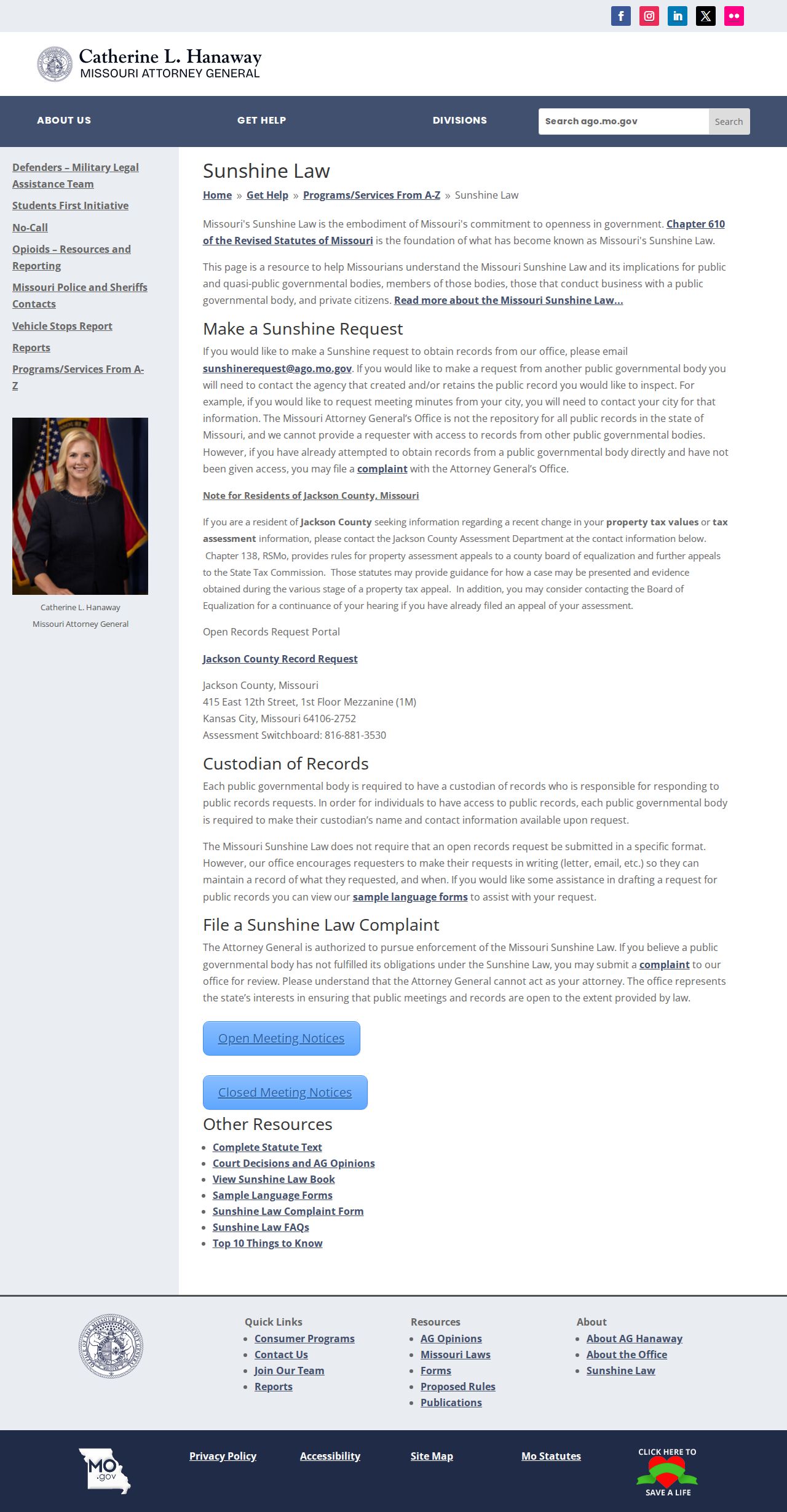
That public-record framework helps you frame a narrow request. Court-file access itself still answers first to court rules, statutes, and the clerk's own process.
Madison County Docket or File
Think of a docket as a chronology and an index. It logs filings, settings, rulings, notices, judgments, and later action. The full file holds what sits beneath those lines: the pleadings, exhibits, attachments, signed orders, and returns. So a docket printout will not always include the order behind a line marked "motion sustained." A case header never substitutes for the judgment itself.
| Requested record | What it usually answers | Useful wording |
|---|---|---|
| Docket sheet | What happened and when | Public docket sheet for the stated case number |
| Specific document | What a filing or ruling says | Signed order, judgment, notice, or motion by date |
| Complete public file | All releasable case documents | Public case file, excluding restricted records |
| Transcript or audio | What was said at a hearing | Transcript or recording procedure, if maintained |
The Missouri File Viewer Help explains the difference between a docket entry with a linked document and one with none. For a Madison County request, name the document and its date. A generic docket request may miss it.
Inside a Madison County Court Record
Check the identifying fields before ordering any Madison County copy. Alike names show up in more than one case. Filing date, hearing date, judgment date, and disposition date can all differ in the same file. And a court record may hold only the public portion of a case, so a visible entry never proves every attachment is open to you.
| Case number | The court’s identifier. Quote it exactly, including any prefixes, hyphens, or suffixes. |
|---|---|
| Case header | Publicly displayed court or division, case type, filing date, status, and case style. |
| Docket sheet | A dated chronology of filings and court action, including orders and judgments when entered. |
| Filed documents | Pleadings, motions, notices, returns, attachments, and signed rulings that are publicly available. |
| Backer sheet | The standardized citation record for a uniform citation, including charge, settings, warrant, and disposition fields. |
| Access status | Whether a document is linked, terminal-only, redacted, confidential, sealed, or otherwise restricted. |
A disposition is the outcome as recorded, and it means what it says. "Dismissed," "closed," or "warrant issued" each tell you one fact. None of them gives the whole story of a case or where it stands now.
Madison County ECASE Record Access
Electronic filing and remote public viewing are two different things in Madison County. Missouri's eFiling system accepts eligible filings from attorneys. Case.net is the route the public uses for case information. Where remote viewing falls short, the judiciary has an answer. It sends non-attorney users to courthouse public-access terminals for electronic case documents. An ECASE marker means one thing only. On a Madison County court docket, it signals that the file is electronic. It does not promise that every document opens from home.
Madison County sits within the 24th Circuit's remote-public-access materials. Some documents may follow a different remote path. These are filings made after the circuit's rollout, not older or security-limited items. So ask a precise question instead. Is the public version linked, terminal-only, paper-only, redacted, or restricted? That beats treating a missing PDF as proof that no court record exists.
For the governing principle, the Attorney General's Sunshine Law Top 10 sets out general openness. It also treats judicial records separately.
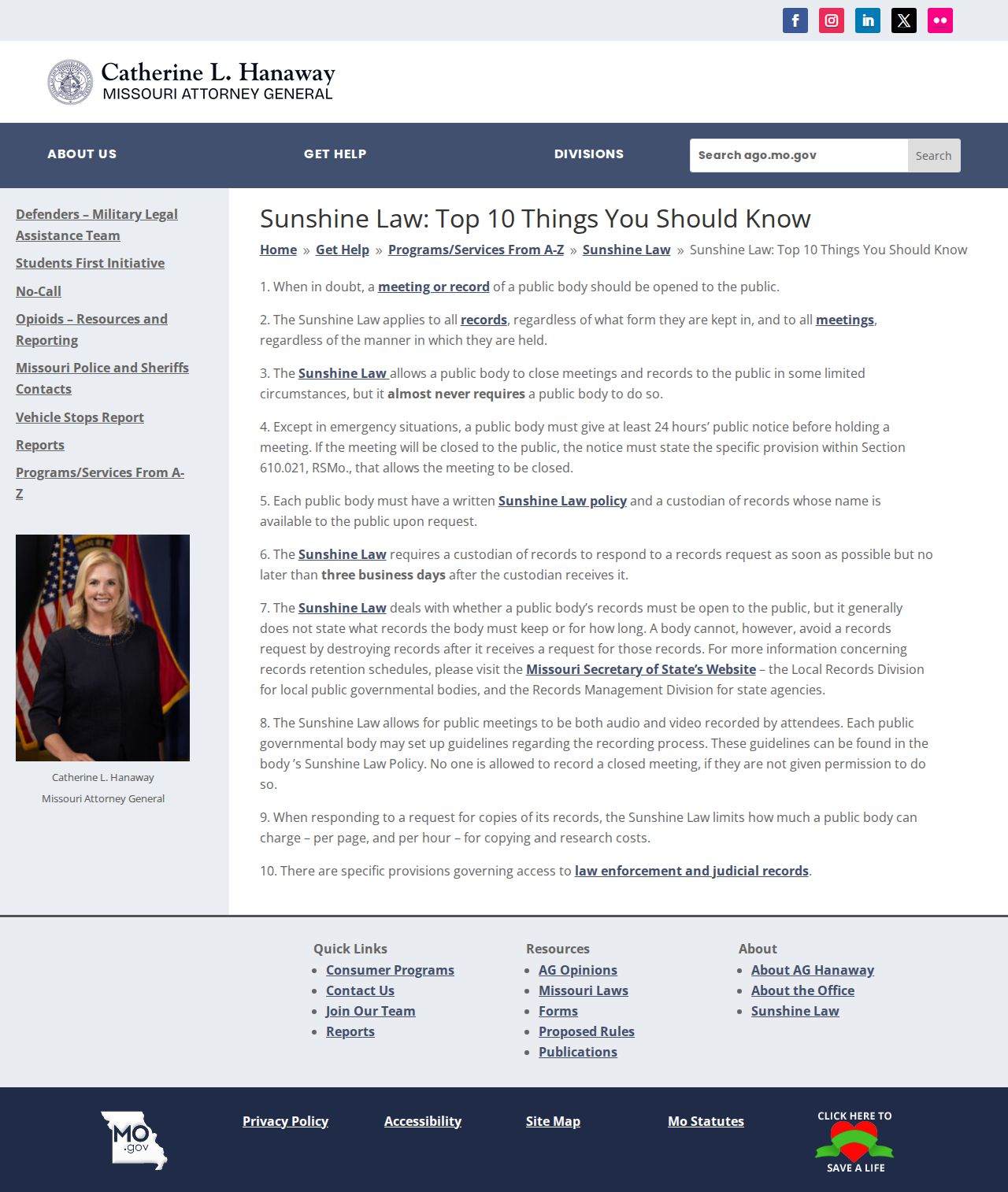
Local rule controls. For any docket entry or case document, the Madison County court's own access rules decide what you get.
Fees and Certified Copies
An ordinary copy just reproduces a public record. A certified copy adds the clerk's authentication that it is a true court record. That extra step costs more. Statewide materials describe certification, but Madison County publishes no current local copy or certification schedule. Ask the clerk for an estimate before duplication and say upfront whether you need certification. A transcript follows its own ordering and pricing rules.
| Item | Current amount | What to confirm |
|---|---|---|
| Uncertified docket or document copy | Confirm with Circuit Clerk | Per-page charge and any mailing cost |
| Certified copy | Confirm with Circuit Clerk | Certification charge and record scope |
| Special search or duplication | Request estimate | Staff time, format, and prepayment |
| Transcript or audio | Separate quote | Reporter, recording, and delivery procedure |
RSMo §610.026 builds a copying and research-cost framework for Sunshine Law records. The framework does not govern everything. Court records can sit under distinct court rules and statutes. Note one caution. This statute is not a published Madison County fee schedule. Read RSMo §610.026 for the state copying-cost framework the legislature set out.
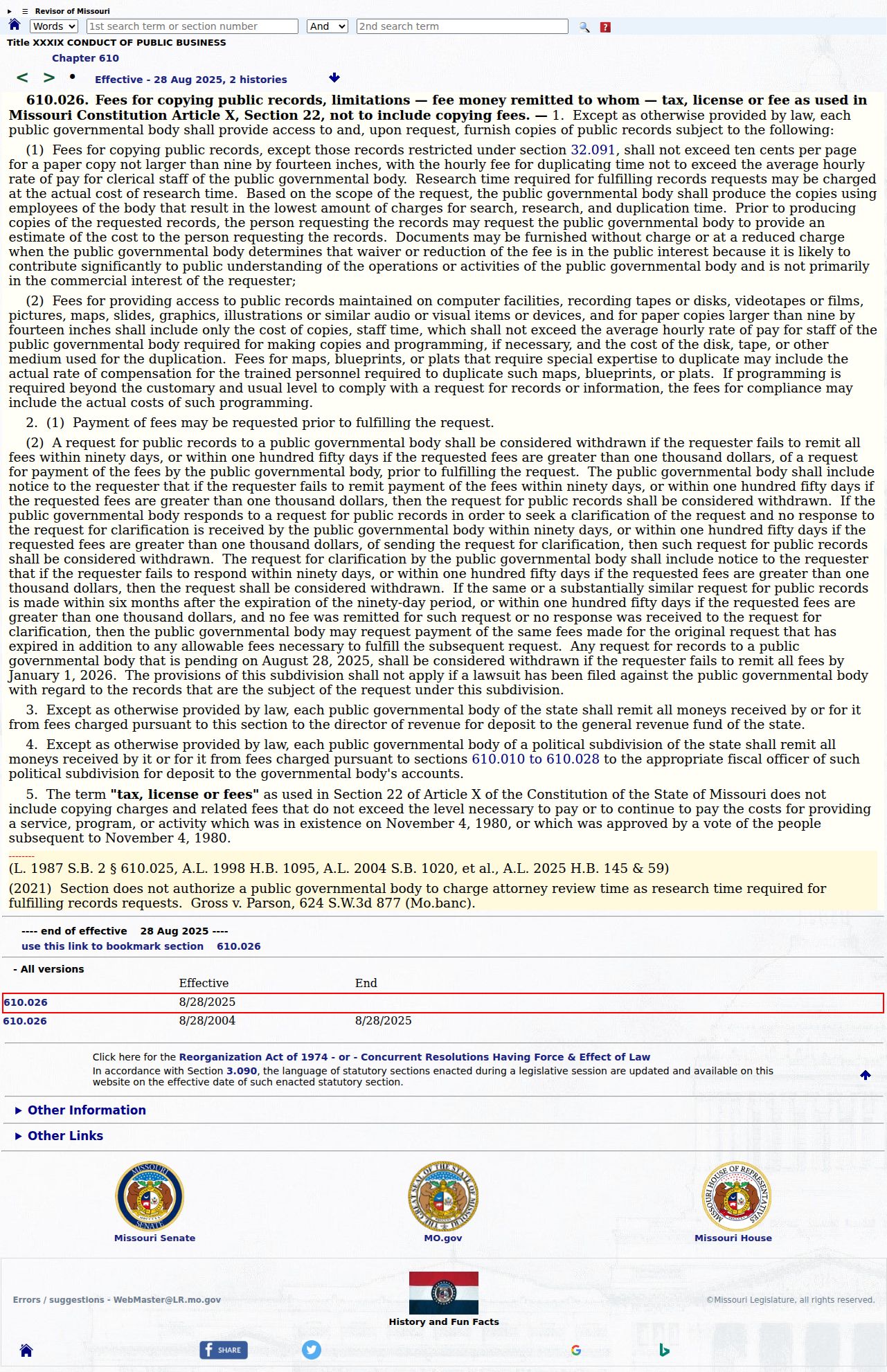
Treat the statute as context for a fee estimate. It never substitutes for the Circuit Clerk's current charge.
Madison County Record Request Details
Keep a Madison County request narrow. Name the case number if you have it. Otherwise give the party name or a date range. State the specific document and say whether you want an ordinary or certified copy. Before any work begins, ask the clerk to estimate copy, certification, research, and mailing costs. A record can mix open and restricted material. In that case, request that the releasable portion be separated where allowed. A tight request helps the clerk locate public material fast.
No Madison-specific court-record request form is published. The Attorney General's sample records-request form is a state sample, not a local court form. Even so, its fields are handy. Custodian, record description, time period, delivery, fee cap, and segregation all map neatly onto a court request. Just address it to the Madison County Circuit Clerk.
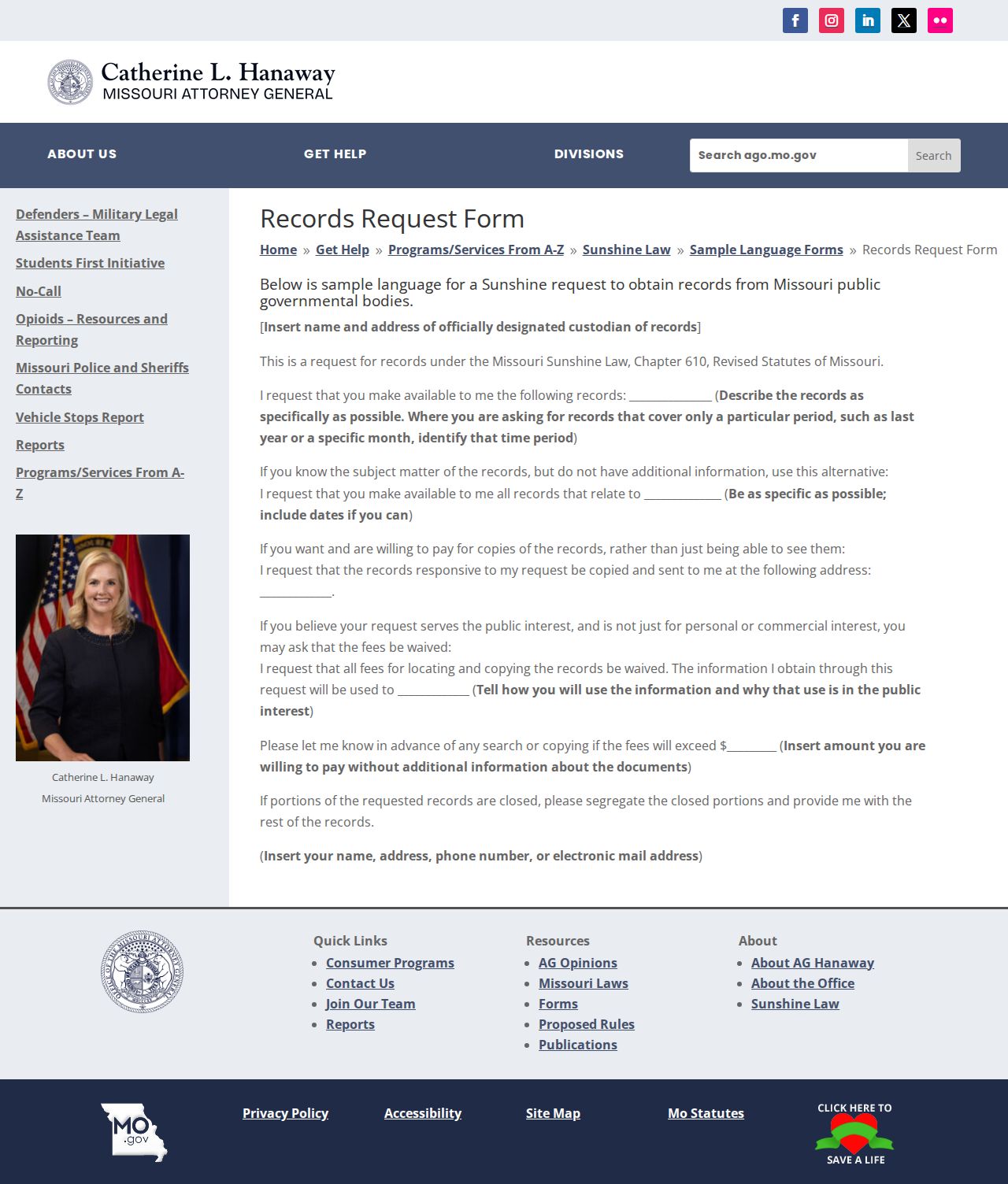
Use a sample as a checklist. That way you never claim Madison County requires a particular form.
Note: Before paying for a broad search or a certified copy, ask the clerk whether the case file is public at all.
Sealed Records and Public Access
Missouri presumes court proceedings are public. Madison County access starts from that open-record policy. Still, a court file can be partially or fully restricted. Some case material never appears in public search results. That includes juvenile, mental-health, adoption, grand-jury, protected-victim, presentence, sealed, and expunged material. Watch for a gap between the docket and the file. A public docket line can stay visible. Its linked document can stay unavailable. And a blank name search proves nothing about whether a court record exists.
Key Rules:
RSMo §476.170 states the general rule that court proceedings are public, subject to lawful closure.
RSMo §610.011 expresses Missouri’s policy favoring open public records and meetings, subject to exceptions.
RSMo §610.140 governs expungement consequences, including confidentiality for covered court records.
Madison County seals its confidential case files under Court Operating Rule 4.25. Opening one takes a court order, full stop. A Sunshine Law request cannot override that sealing order, so do not count on it. Ask the clerk about other ways in. A redacted copy, a public docket sheet, or an authorized-person route can open a path.
For the policy on open records, read RSMo §610.011. It sets out the open-records rules that public bodies must follow.
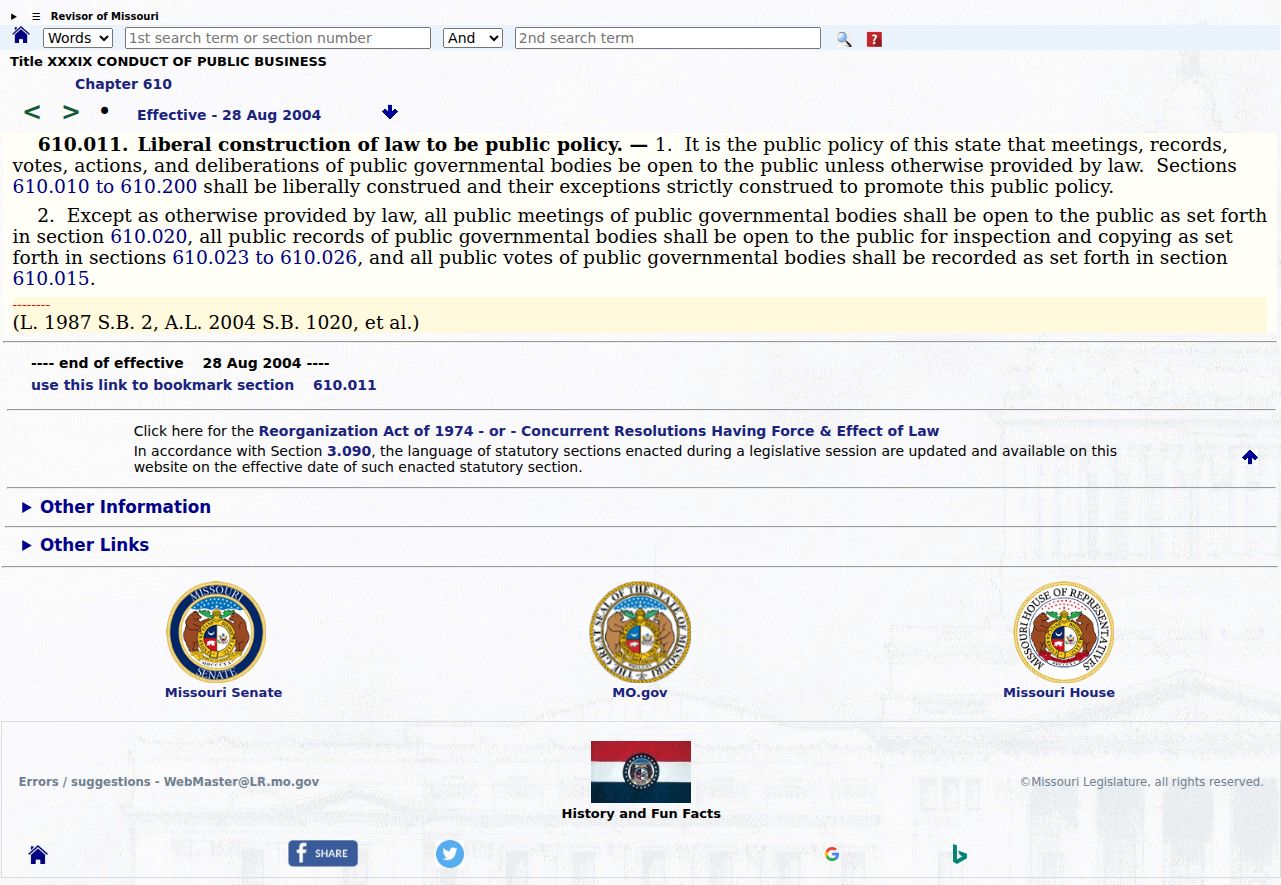
Open-record policy informs access questions, but it does not erase a court-specific confidentiality rule.
Madison County Historical Case Records
Case.net is not the whole Madison County historical record. The Missouri State Archives preserves judicial material from 1804 to the present through indexes, county and circuit records, microfilm, and database projects. Its Judicial Records Database lets you search by party, year, subject, county, and court type. A separate County Records Database offers a different route. Search it by county, office, record type, keyword, city, and year. Results may point to a series or reel rather than a modern docket. Expect archival formats.
Court history here also spans more than one building. The Justice Center is the current Circuit Clerk route. Older court material may sit in local storage, on microfilm, or with Archives. Give the Circuit Clerk an approximate year. Ask whether the historical record still belongs to Madison County or calls for Archives research. For the starting point, Missouri State Archives holds the historical records and their search tools.
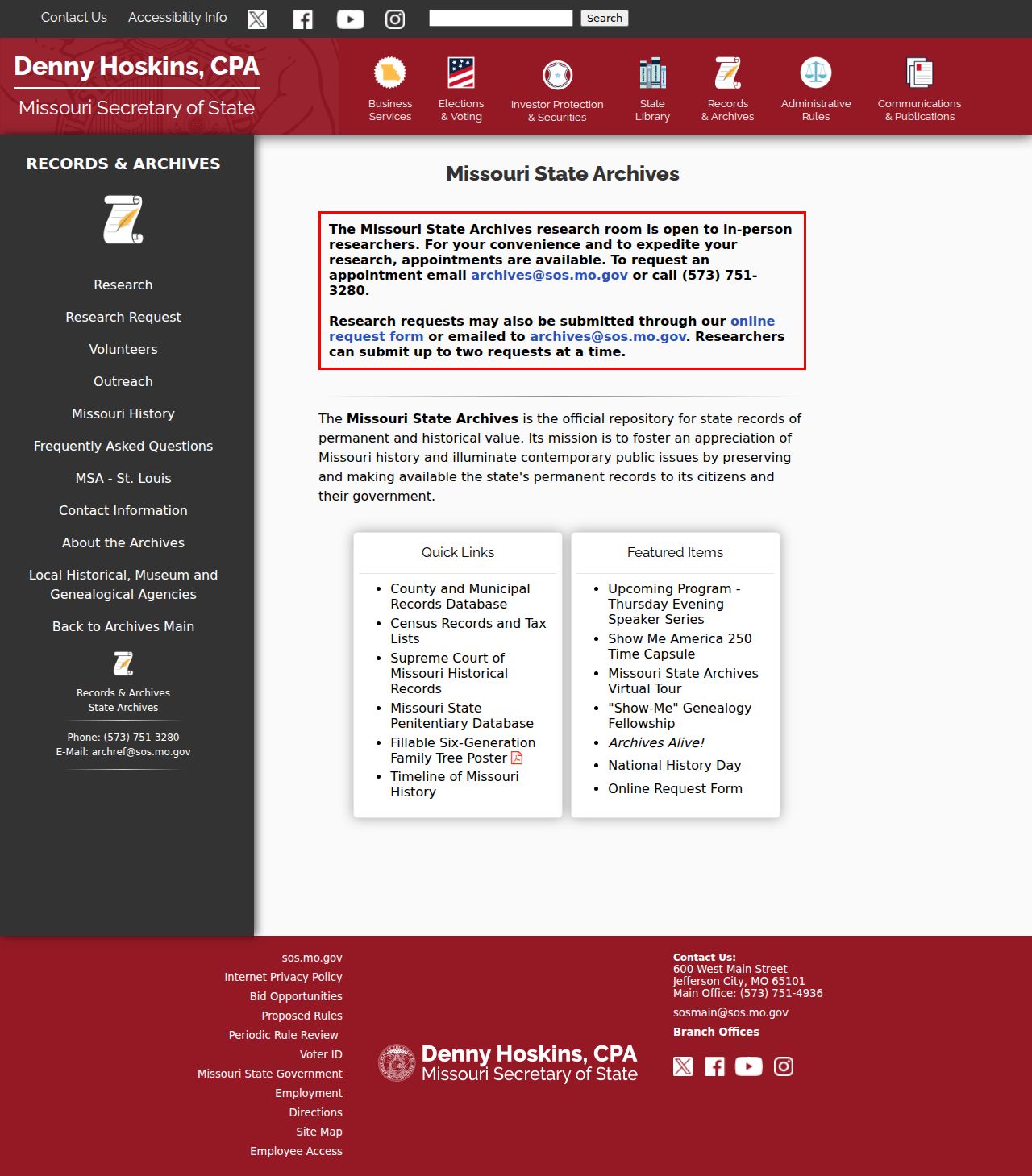
The archives route complements the active court file. An older paper index is still not a current Case.net docket.